
KIIT School of Management hosts the 6th International Conference on Management Research
March 14, 2026
KSOM Conducted a Webinar on “Sustainability & ESG Strategy, Climate Risk & POSH” – 20 March 2026
March 21, 2026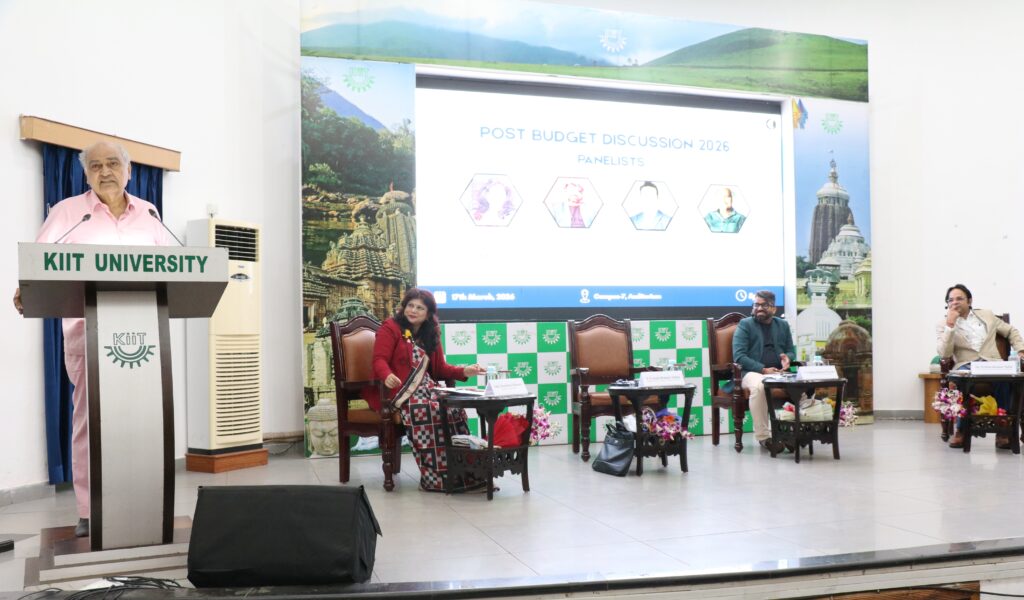
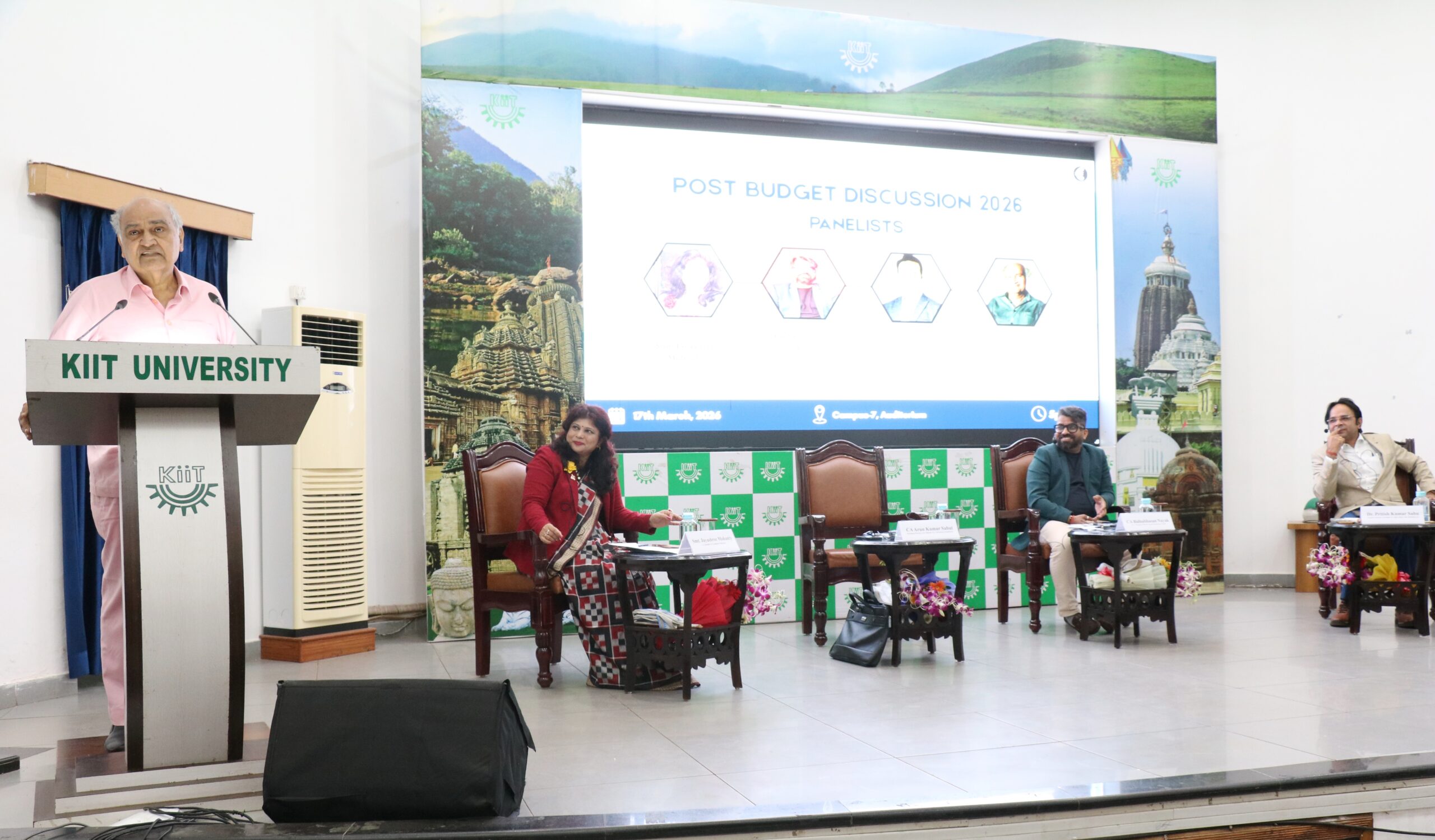
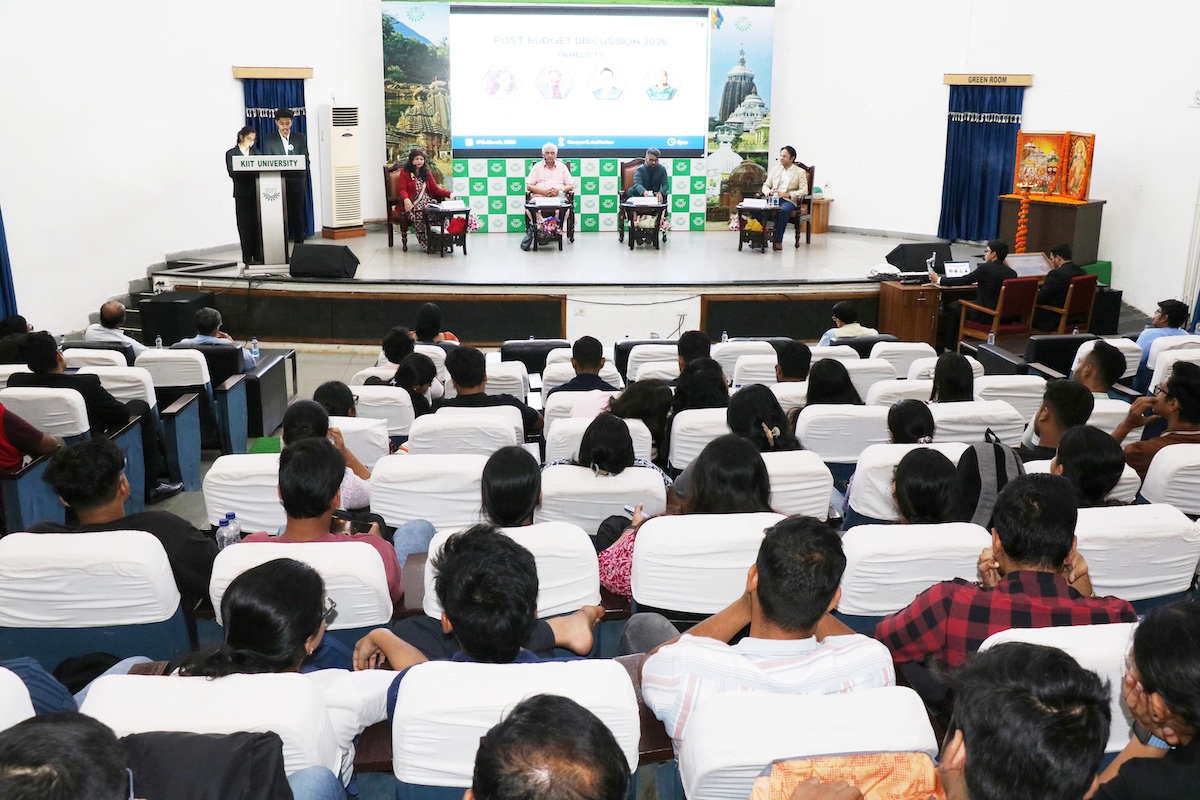
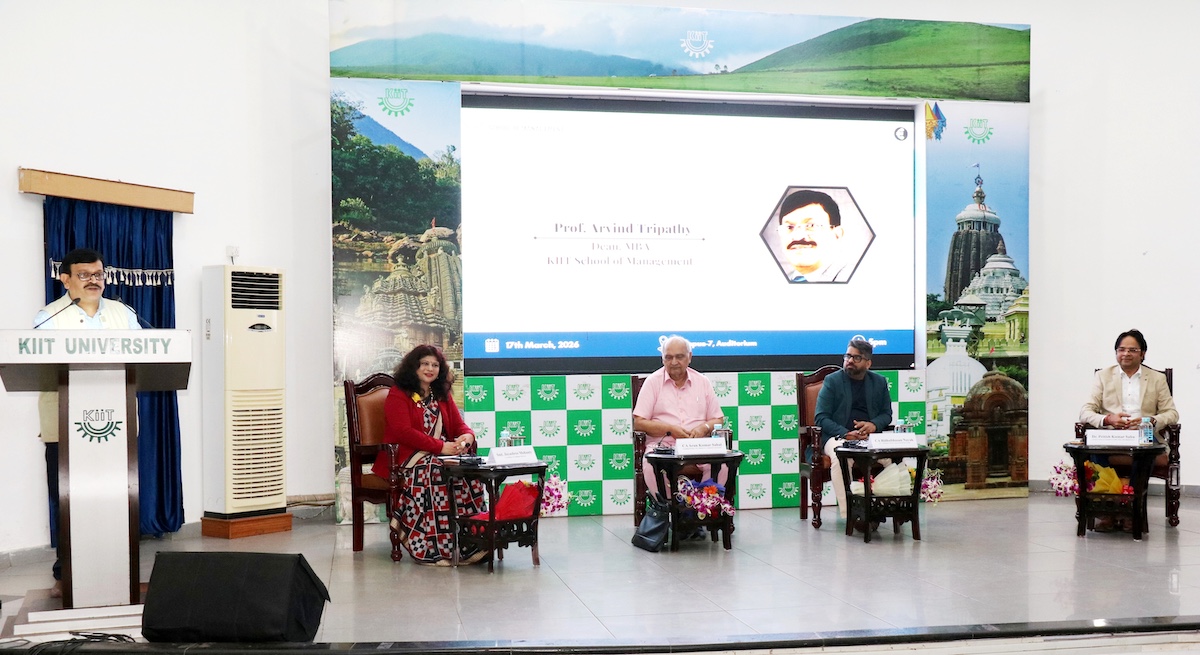
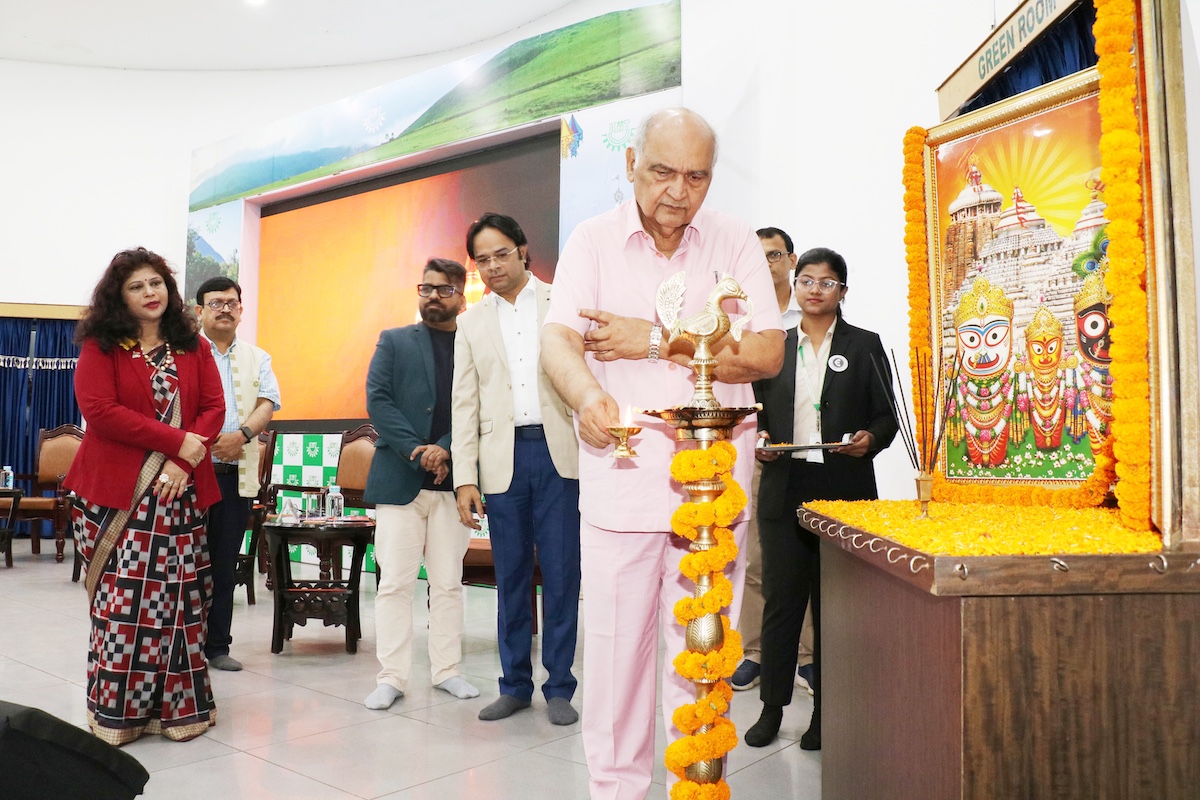
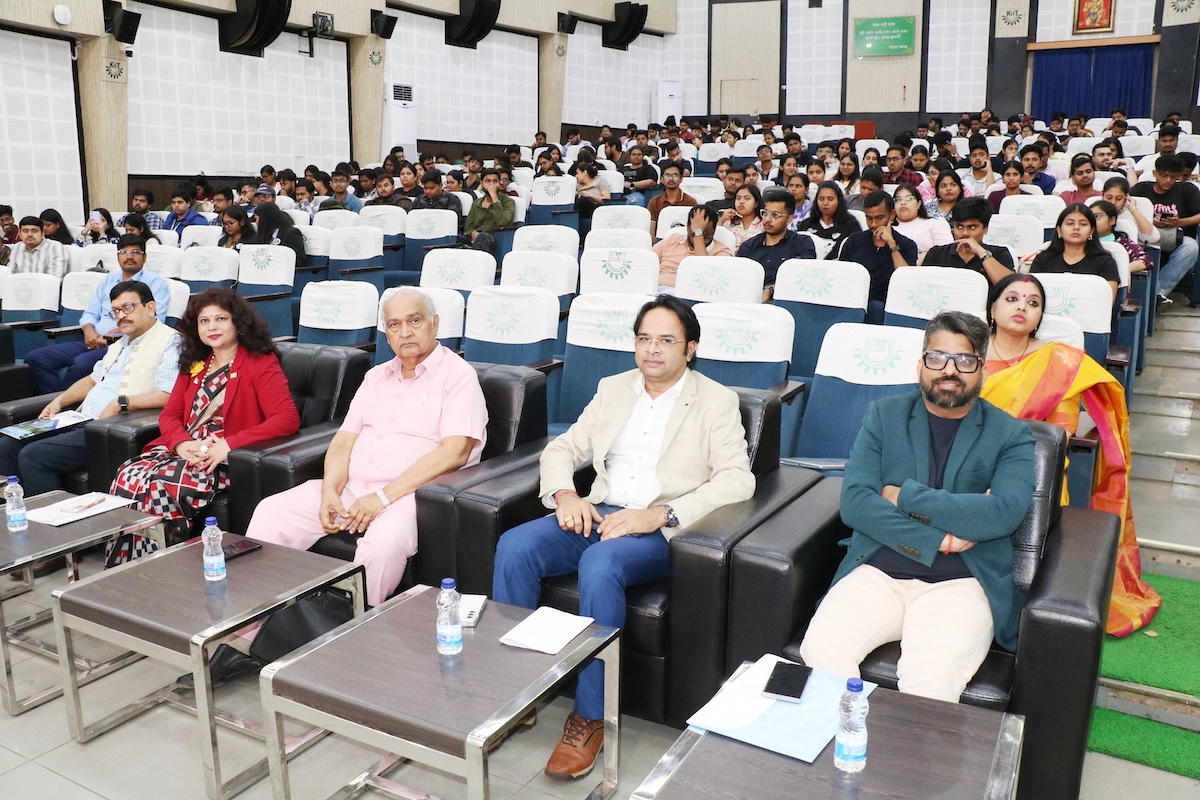
KIIT School of Management organised a panel discussion on the Post–Union Budget 2026. The session provided students with insights into the key highlights and economic implications of the Union Budget.
The session brought together financial experts, faculty, and students. They discussed the impact of the budget on policy, economic growth, and development priorities. Prof. Shikta Singh, Convenor of the Pre and Post Budget Discussions, was responsible for the overall organisation and coordination of the event.
Welcome Address and Panel Discussion
The programme began with a welcome address by Prof. Arvind Tripathy, Dean-MBA, KSOM. He emphasised that the Union Budget should not be viewed merely as a financial statement. Instead, he described it as a policy framework that shapes the country’s economic trajectory.
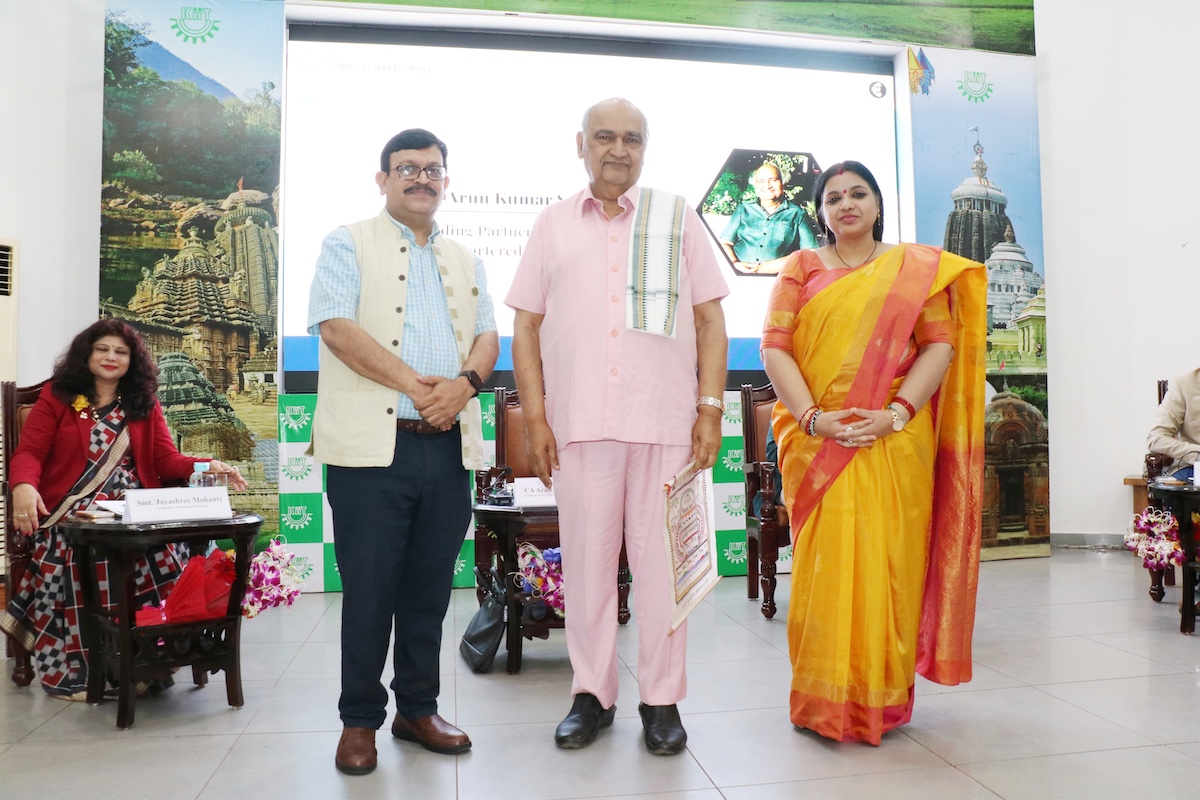
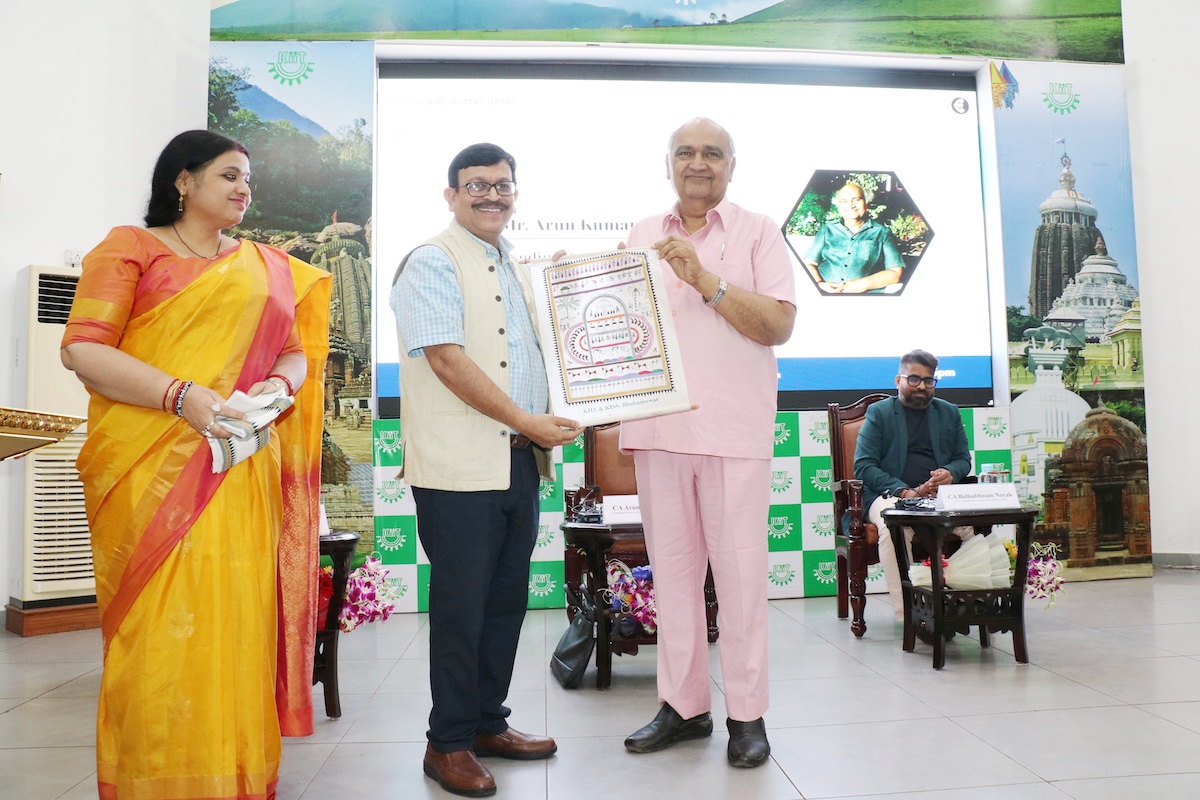
The panellists included CA Arun Kumar Sabat, Founding Partner A.K. Sabat & Co.; CA Bidhubhushan Nayak, Promoter Director, Sparsh Healthcare Group; Smt. Jayshree Mohanty, Co-founder, Luminous Infoways; and Dr. Pritish Kumar Sahu, Economist & Associate Professor, IMI Bhubaneswar.
Key Remarks on the Union Budget
In her opening remarks, Smt. Jayashree Mohanty highlighted that the 2026 budget has been presented at a crucial time. India is balancing domestic growth with global economic uncertainties. At the same time, the country is working toward long-term goals such as Viksit Bharat 2047 and regional milestones like Odisha Vision 2036.
Insights from CA Arun Kumar Sabat
During the discussion, CA Arun Kumar Sabat shared his experience of analysing budgets over several decades. He also reflected on how taxation policies have evolved in India.
He noted that major reforms in direct taxation have already been introduced in recent years. In particular, he highlighted the expansion of the tax-free income threshold under the new tax regime.
He also provided historical context by referring to the 1969 tax structure. At that time, the highest tax bracket reached nearly 97.5%. According to him, this often encouraged tax evasion and the creation of black money.
Furthermore, he stated that the current budget introduces relatively few but meaningful changes. These include modifications in provisions related to TDS, TCS, and return filing procedures.
He also pointed out that global geopolitical developments, currency fluctuations, and rising fuel prices continue to contribute to inflationary pressures. He described these pressures as “taxation without legislation.”
Insights from CA Bidhubhushan Nayak
CA Bidhubhushan Nayak focused on the constitutional and structural aspects of the Union Budget.
He explained that the word “budget” itself is not explicitly mentioned in the Constitution of India. Instead, Article 112 refers to it as the “Annual Financial Statement.”
He also discussed the importance of the Fiscal Responsibility and Budget Management (FRBM) Act, 2003. According to him, the Act ensures fiscal discipline in government financial planning.
Highlighting the scale of the Union Budget 2026, he stated that its size is approximately ₹53.5 lakh crore. Around ₹12.2 lakh crore has been allocated to capital expenditure.
This substantial allocation toward infrastructure and asset creation accounts for nearly 22–23% of the total budget. It reflects the government’s focus on growth, investment, and long-term economic development.
He further emphasised that sectors such as manufacturing, agriculture, and services have been prioritised. These sectors can help generate employment and strengthen the economy.
Insights from Dr. Pritish Kumar Sahu
Dr. Pritish Kumar Sahu described the budget as a roadmap for the country’s long-term policy direction. He explained that it is not simply a statement of revenues and expenditures.
He further explained that governments may not always have sufficient resources to directly support every sector. Therefore, businesses and citizens must leverage the opportunities created by policy initiatives and infrastructure development.
Addressing India’s fiscal position, he noted that borrowing is not necessarily negative. It can be productive when directed toward investments in areas such as infrastructure, education, and capital formation.
With India’s loan-to-GDP ratio estimated at around 50–55%, he emphasised that sustained economic growth and strategic investments can strengthen the country’s long-term economic capacity.
Key Areas Highlighted During the Discussion
The panel discussion also highlighted the importance of infrastructure expansion. In addition, the speakers discussed the need to strengthen manufacturing and MSMEs.
They also emphasised improving logistics and freight connectivity. Another important area was leveraging India’s demographic dividend through skill development.
Furthermore, the speakers emphasised that strategic investments in sectors such as technology, semiconductors, and services will play a significant role in driving India’s economic progress.
Conclusion
The session concluded with encouraging remarks from the panellists. They advised the students to remain aware of economic developments. They also encouraged students to align their skills with the evolving needs of the economy.
Finally, Prof. Shikta Singh proposed the Vote of Thanks.