BBA Student of KIIT School of Management Presents Case Study at IIM Bodh Gaya Conference
February 18, 2026
KIIT School of Management Conducts Post-Budget Discussion with Financial Experts
March 18, 2026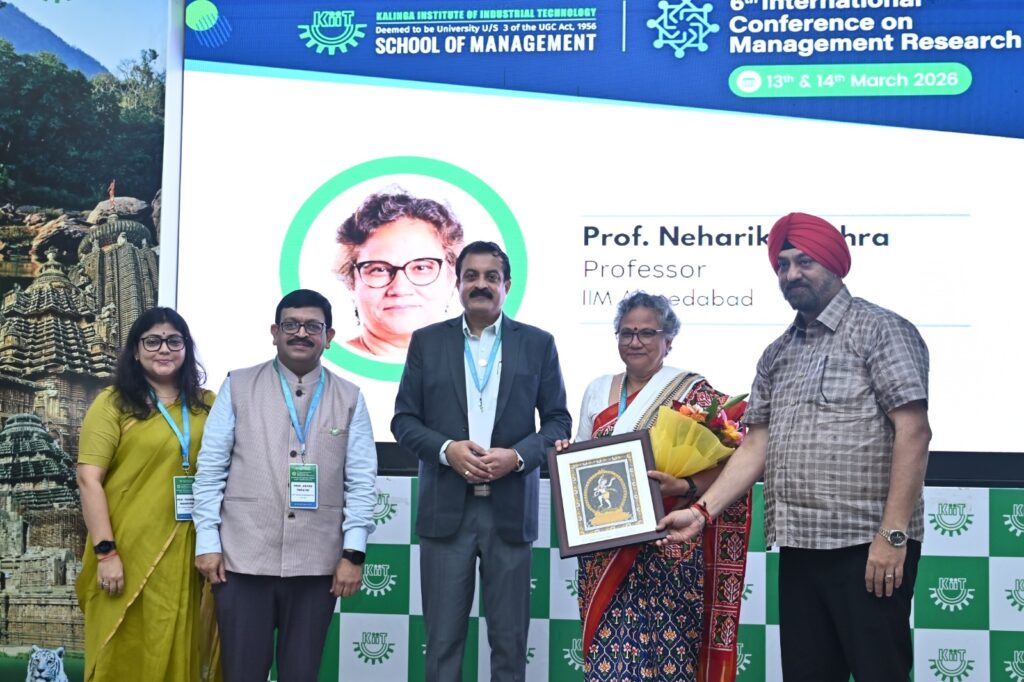
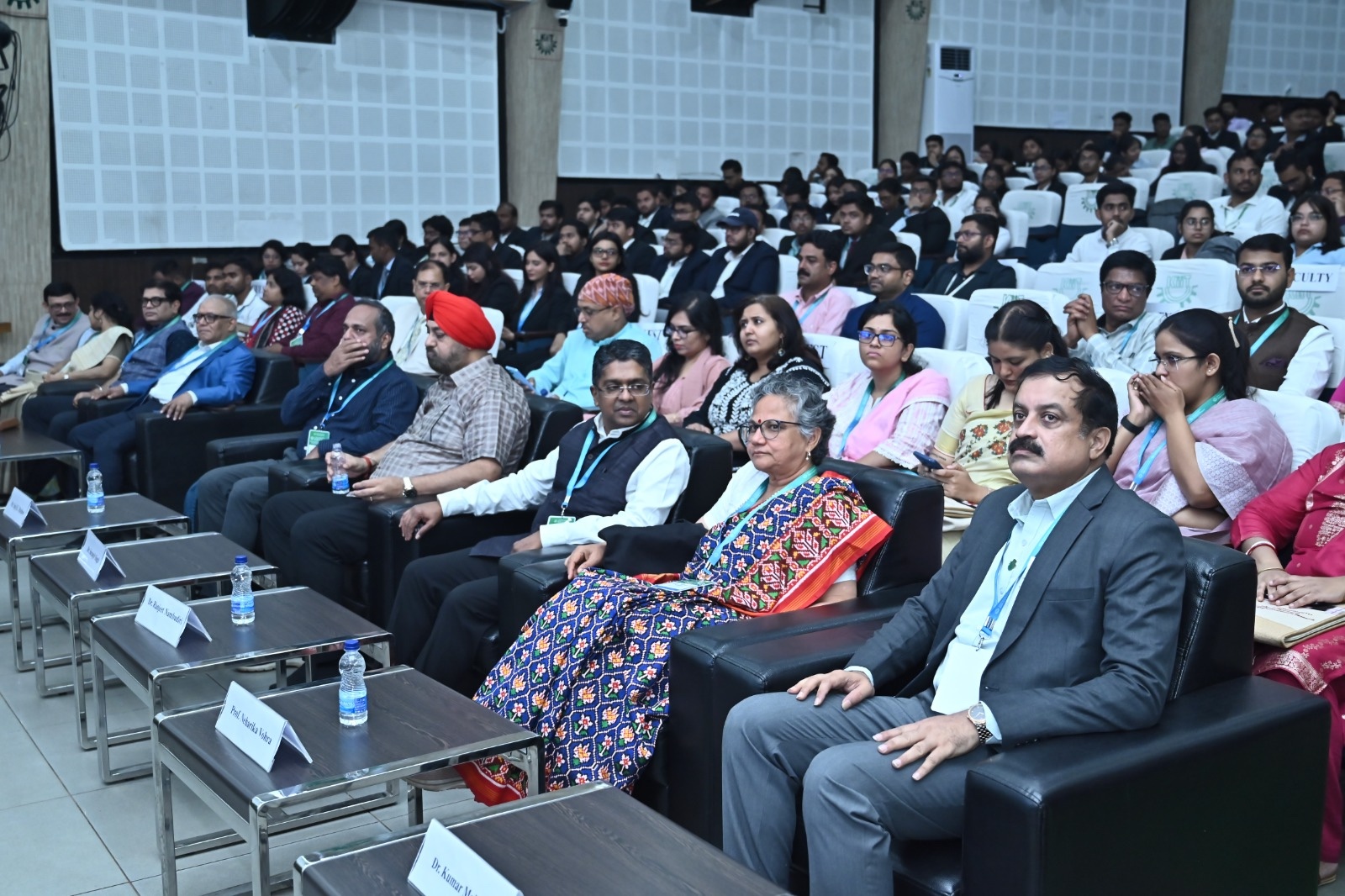
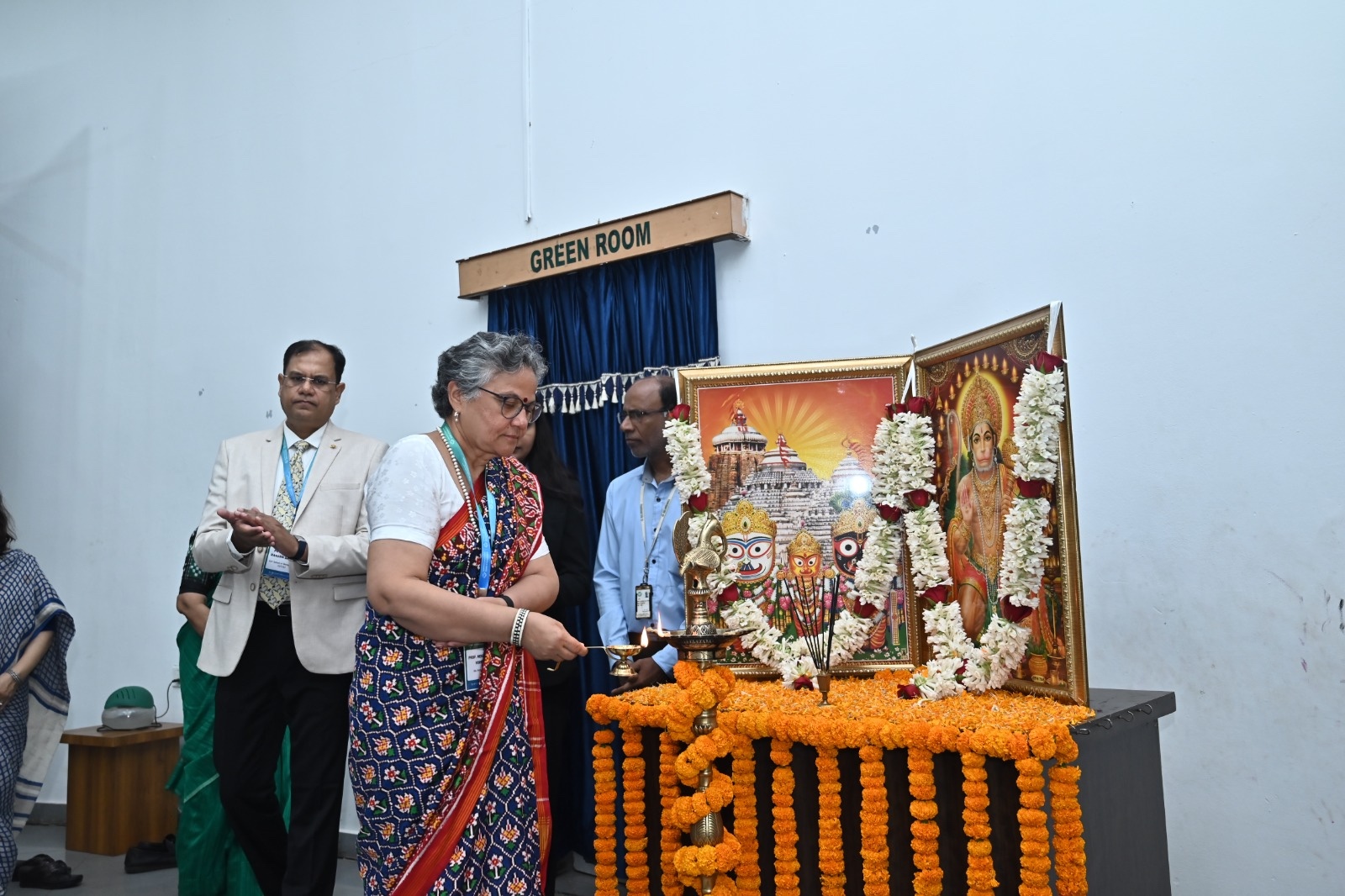
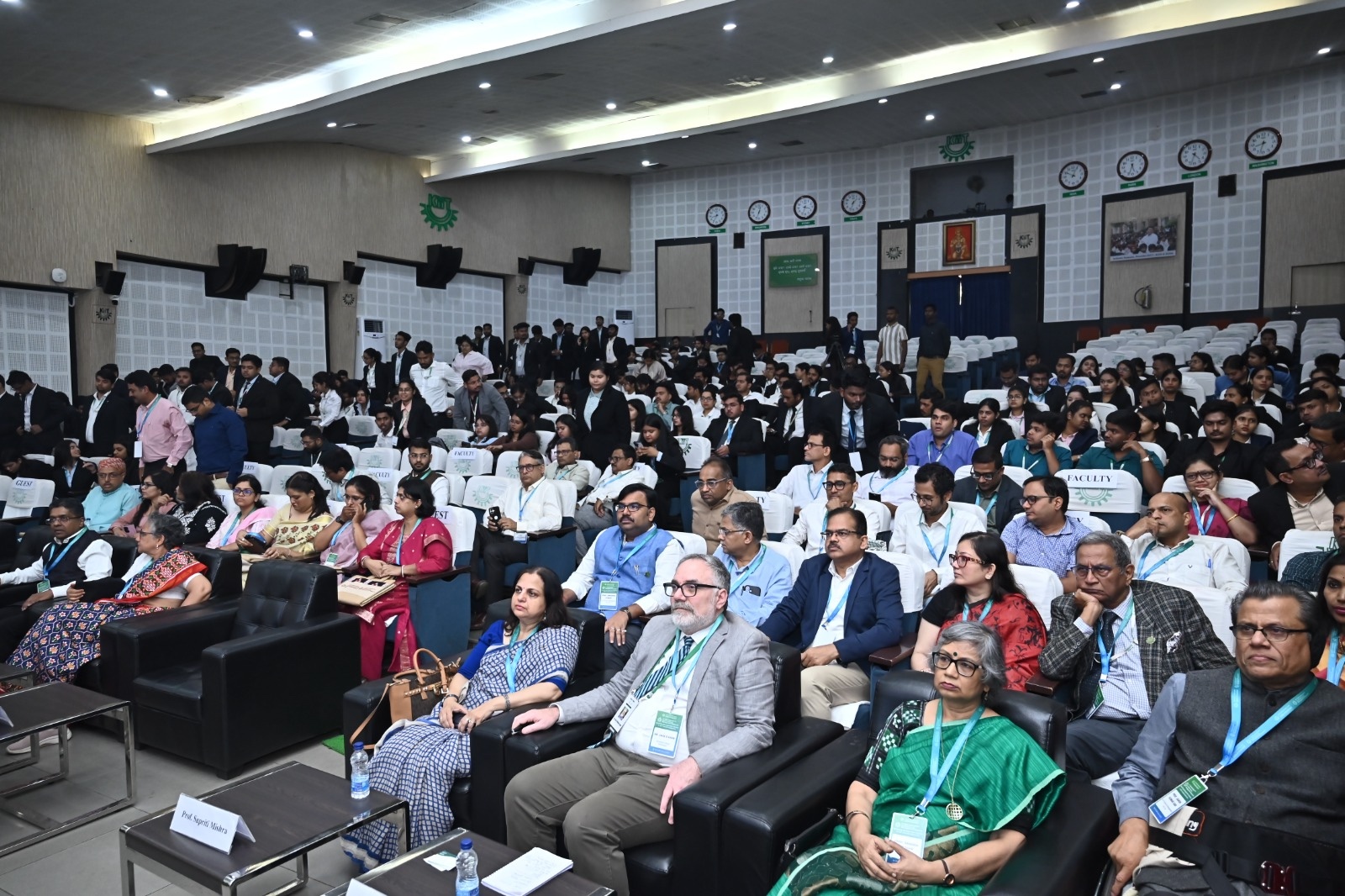
KIIT School of Management (KSOM), KIIT Deemed to be University, organized the 6th International Conference on Management Research (ICMR 2026) on the theme “Revisiting Management Classics in the Transformative Era.”
The conference brought together academicians, researchers, and industry leaders. They discussed the continued relevance of classical management ideas in an era marked by rapid technological disruption and the growing influence of artificial intelligence.
Opening Remarks and Inaugural Session
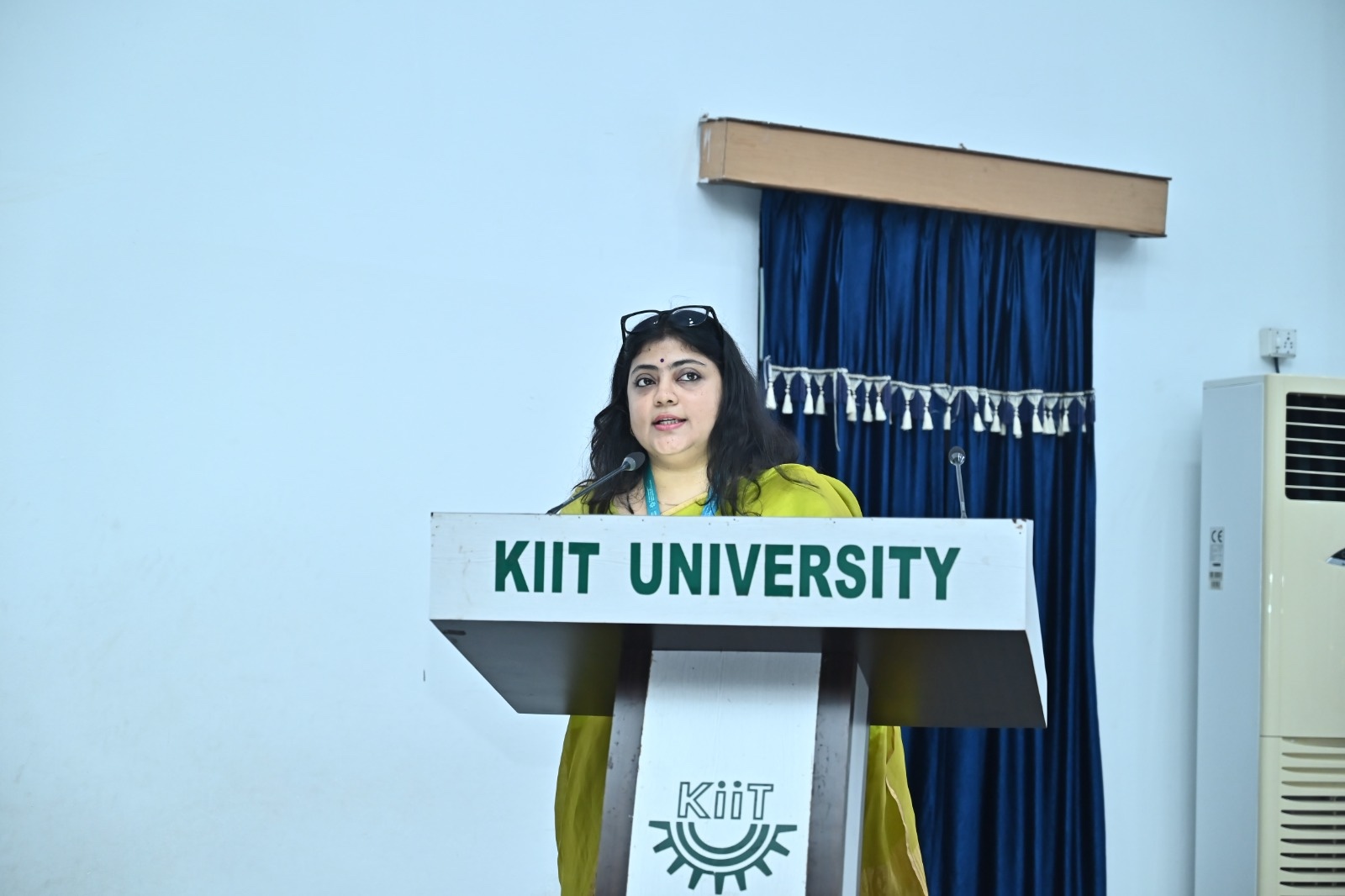
The conference commenced with opening remarks by the Convener, Prof. Poornima Mohapatra. She welcomed the distinguished guests and participants. She also highlighted how rapid technological advancements are transforming management practices.
Furthermore, she emphasized the need to revisit classical theories. This can help address contemporary organizational challenges.
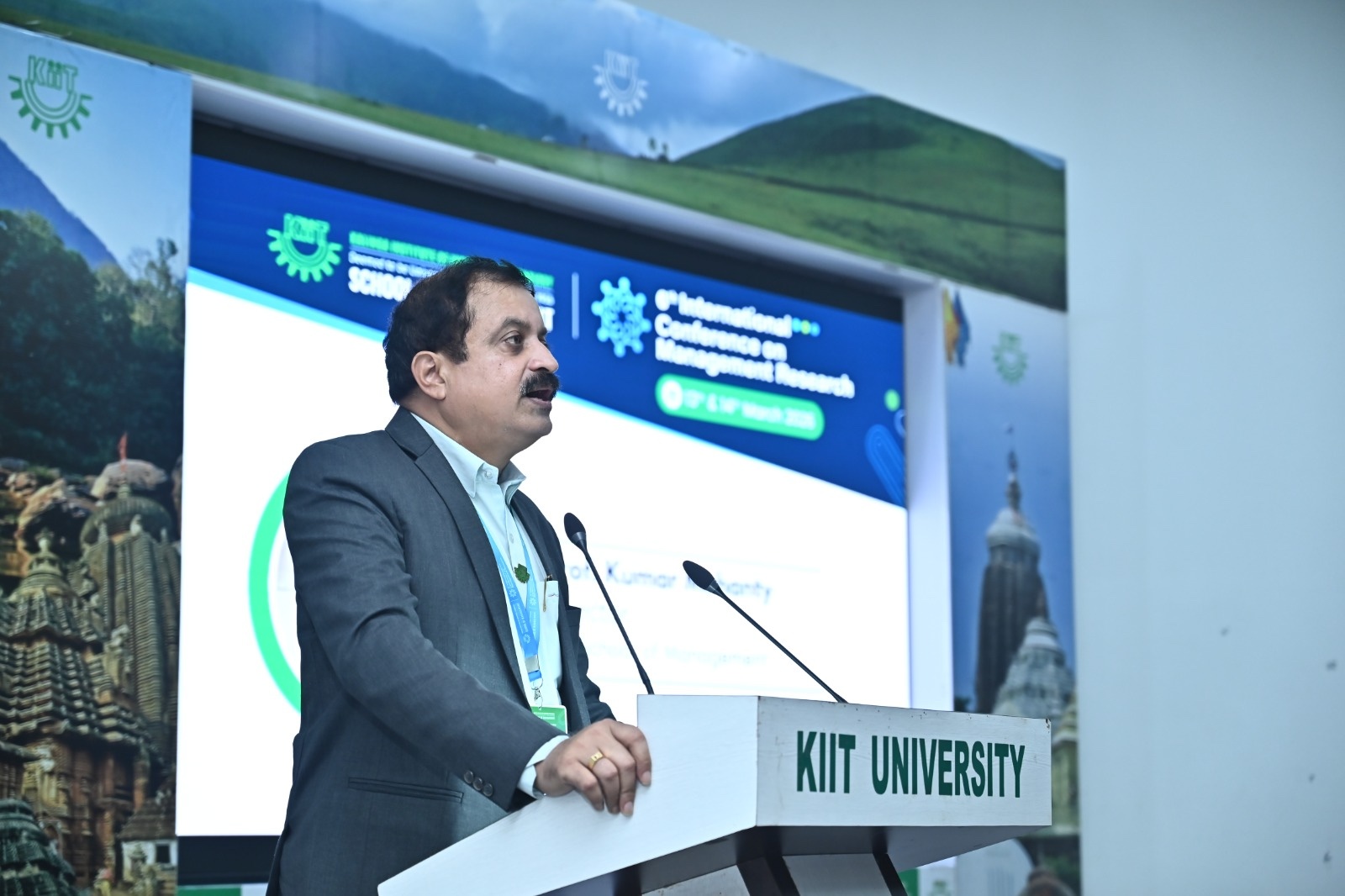
In his welcome address, Prof. (Dr.) Kumar Mohanty, Director-KIIT School of Management, emphasized the changing needs of organizations. He stated that organizations must move beyond traditional notions of efficiency. Instead, they must focus on deployability, resilience, and adaptability to remain competitive in uncertain conditions.
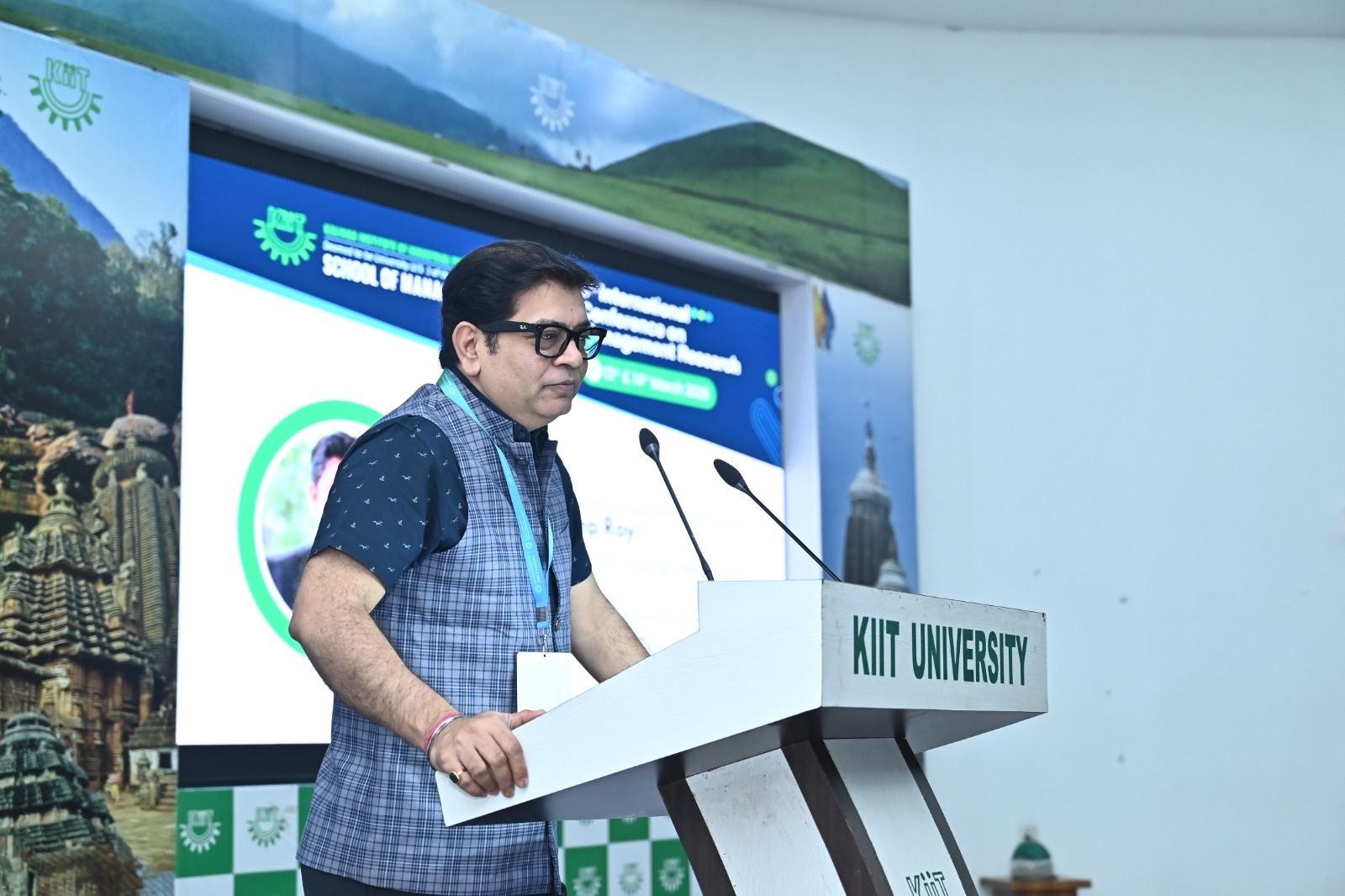
The inaugural session also featured insightful perspectives from Mr. Joydeep Roy, Managing Director–HR, PwC India. He highlighted the importance of effective organizational design and leadership. According to him, these factors play an important role in fostering employee engagement and creating productive workplaces.
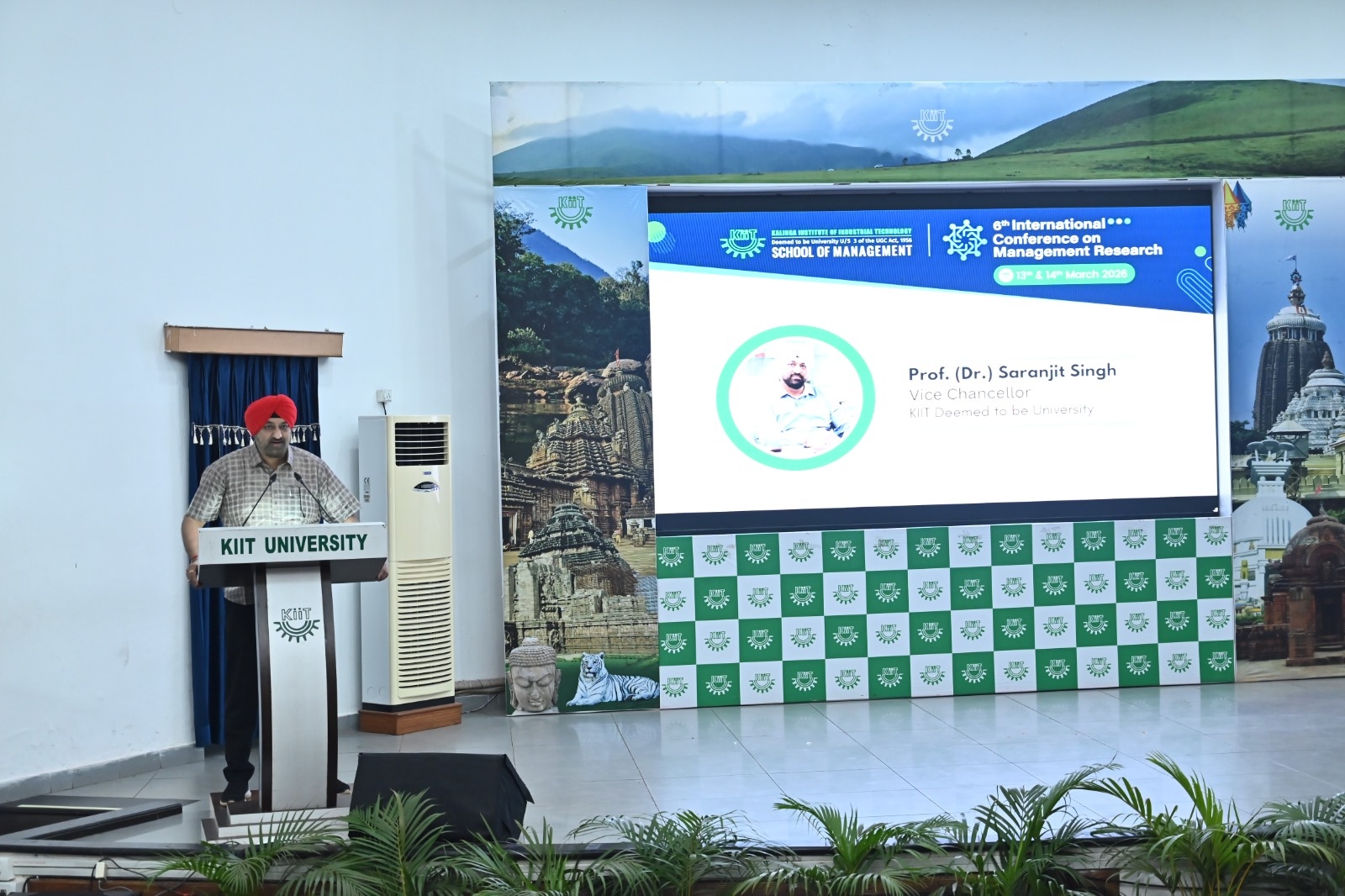
Meanwhile, Prof. (Dr.) Saranjit Singh, Vice Chancellor, KIIT Deemed to be University, emphasized the continued relevance of classical management principles. These include division of labour, efficiency, and standardization of work in modern organizations.
Keynote Address by Prof. (Dr.) Neharika Vohra
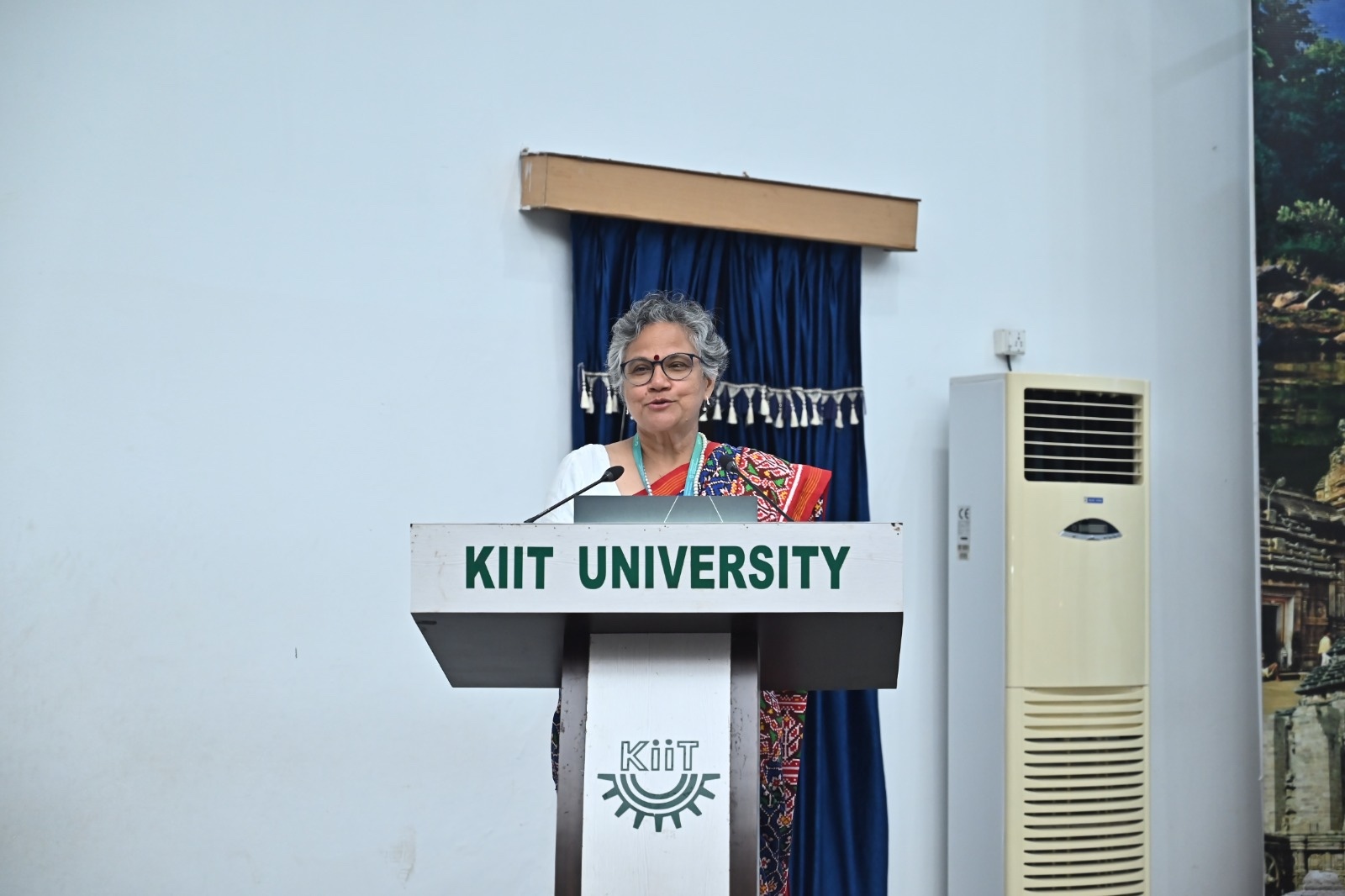
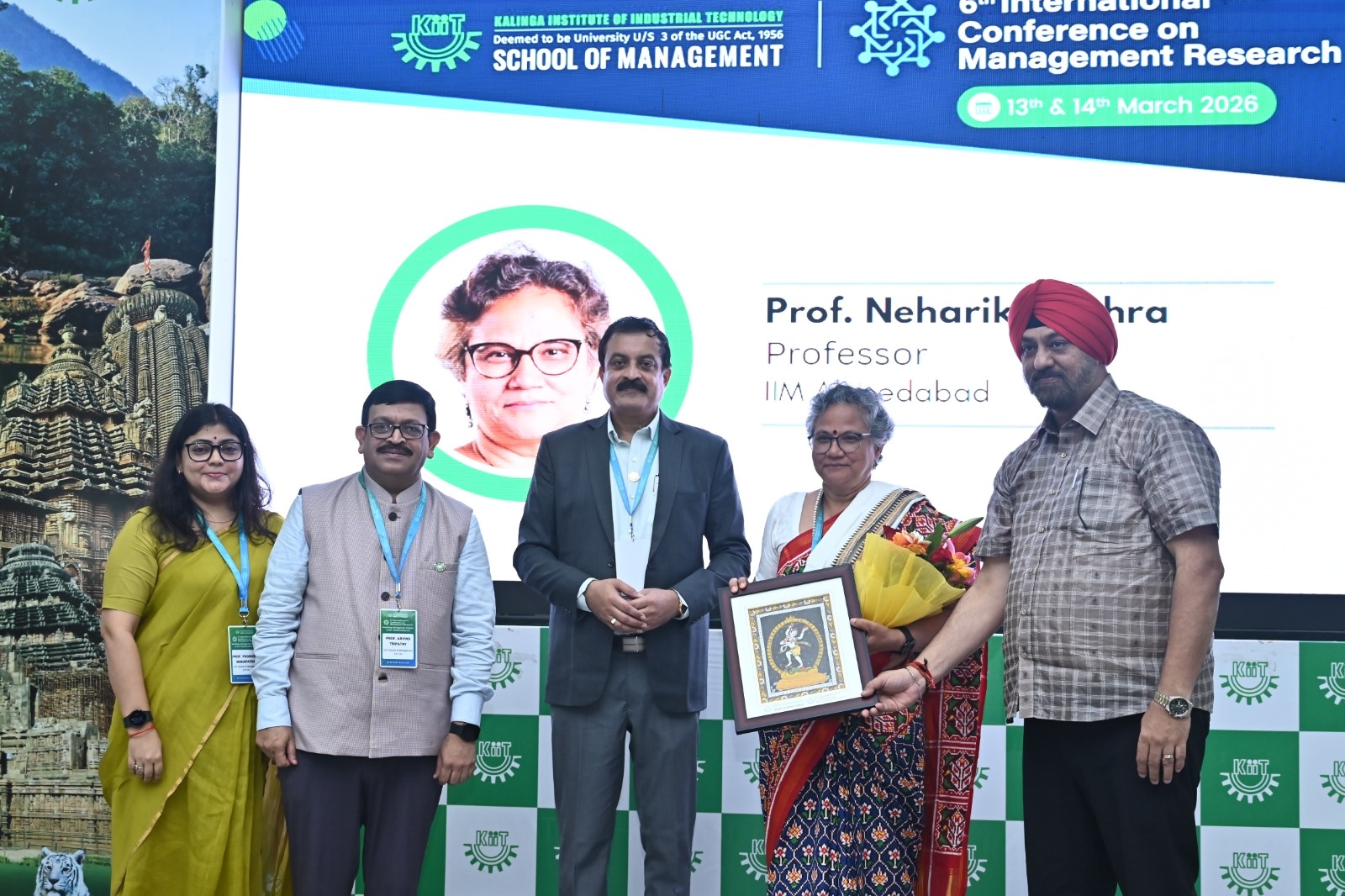
The keynote address was delivered by Prof. (Dr.) Neharika Vohra, Professor at the IIM Ahmedabad and Founding Vice Chancellor of Delhi Skill and Entrepreneurship University.
She discussed the increasing complexity of the BUNI world (Brittle, Uncertain, Non-linear, and Incomprehensible). This concept characterizes today’s business environment.
In her address, she highlighted several major paradigm shifts shaping contemporary organizations. These included exponential technological change and the rise of Generative AI.
She also discussed evolving workplace expectations, such as remote work and quiet quitting. In addition, she addressed the transformation of leadership roles.
She emphasized the importance of recognizing cognitive limitations and redesigning work structures. She also highlighted the need to build organizational cultures that support innovation, adaptability, and continuous learning.
Panel Discussion on Management Classics and AI
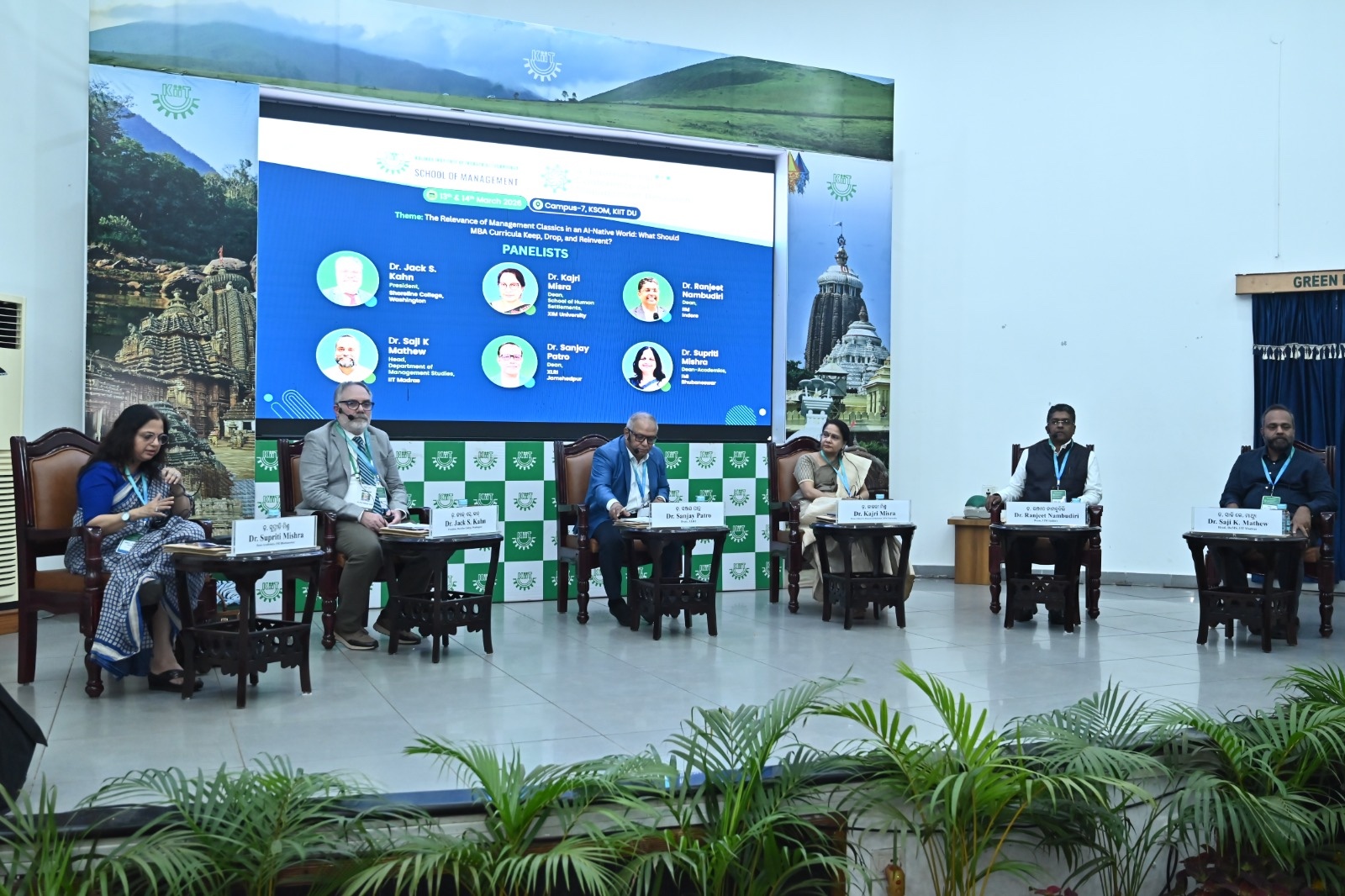
A major highlight of the conference was the panel discussion titled “The Relevance of Management Classics in an AI-Native World: What Should MBA Curricula Keep, Drop, and Reinvent?”
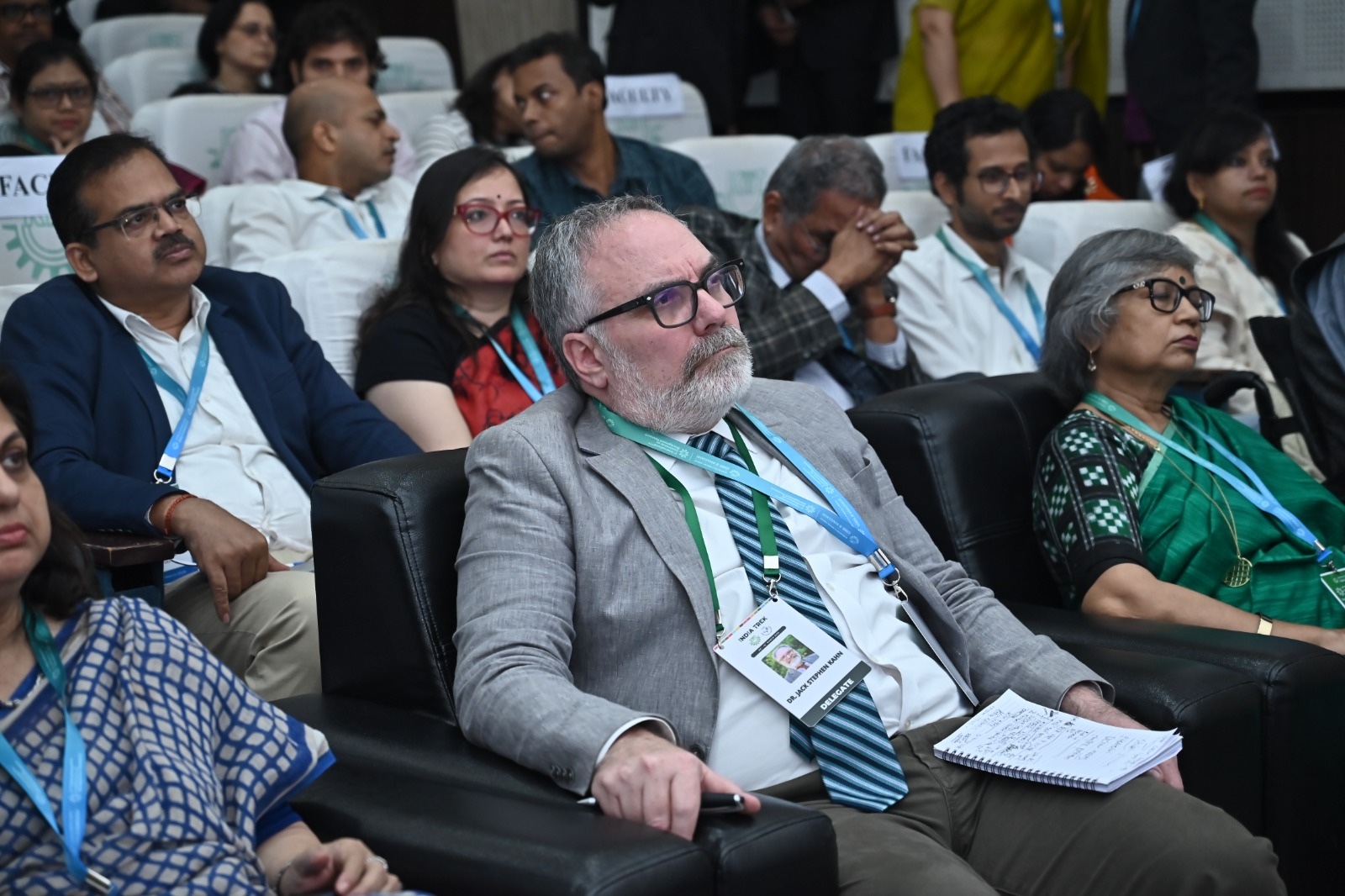
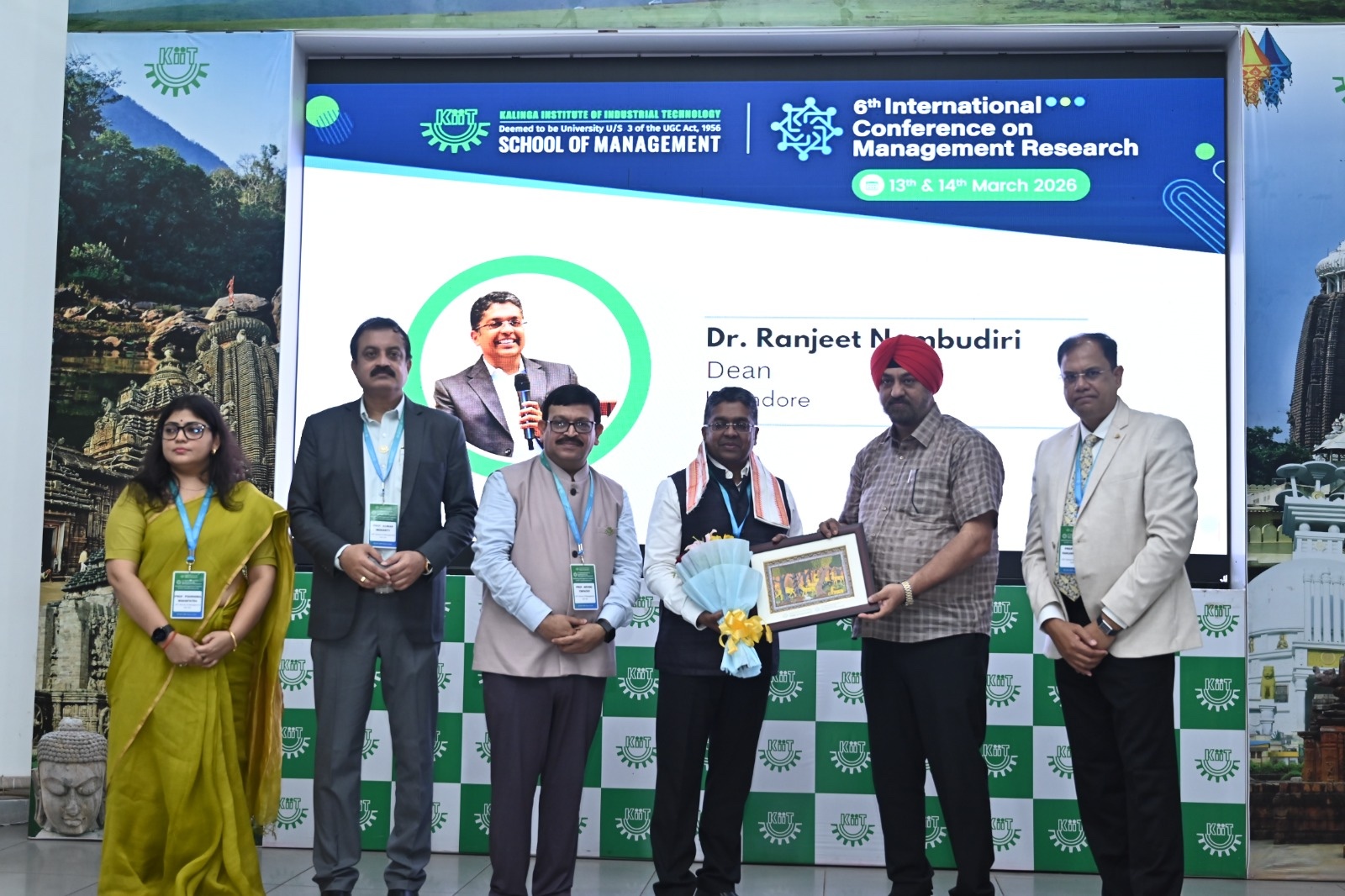
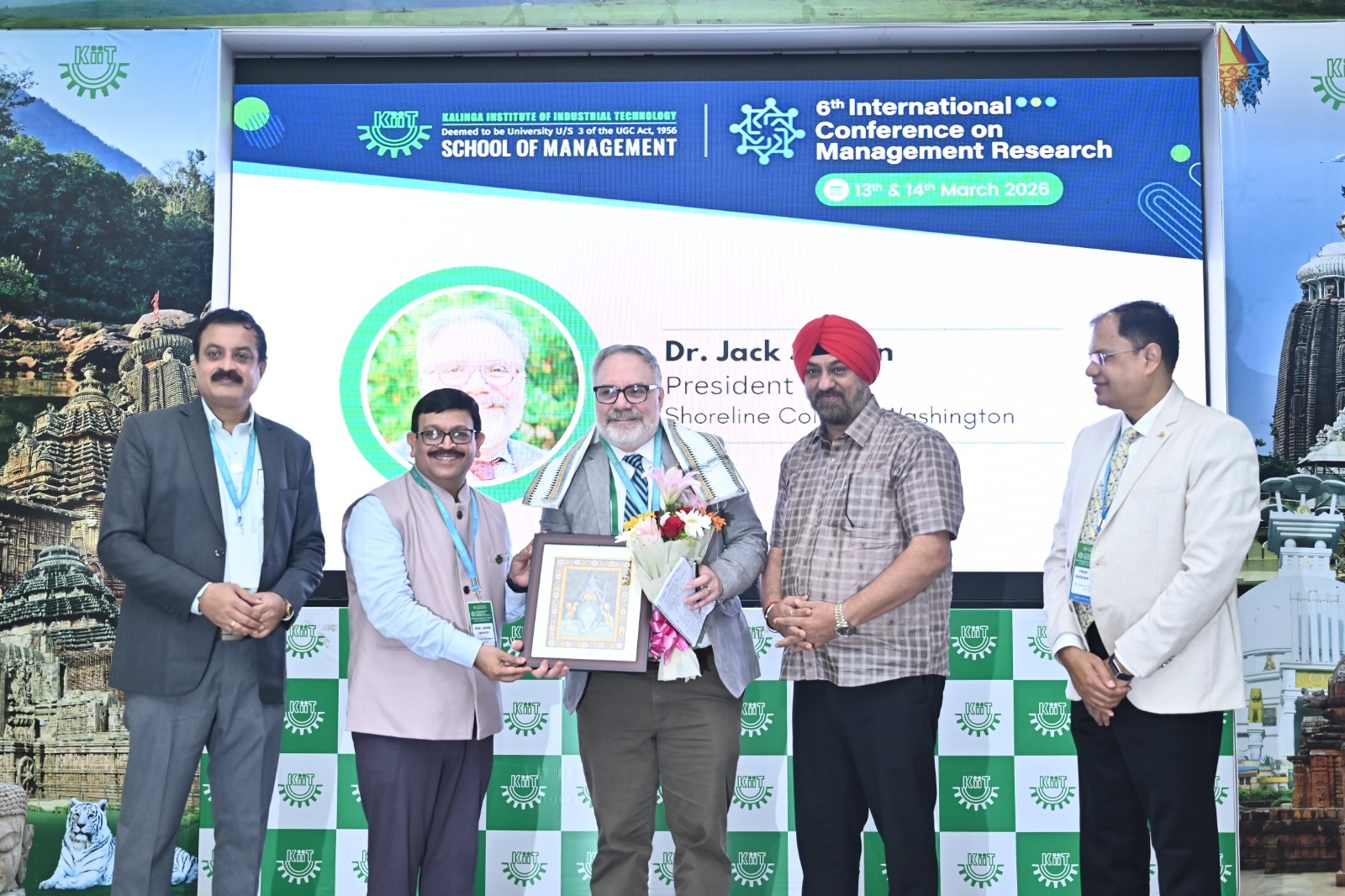
The panel brought together distinguished academic leaders. These included Dr. Saji K. Mathew (Head, Department of Management Studies, IIT Madras), Dr. Supriti Mishra (Dean–Academics, IMI Bhubaneswar), Dr. Ranjeet Nambudiri (Dean, IIM Indore), Dr. Sanjay Patro (Dean, XLRI), Dr. Jack S. Kahn (President, Shoreline College, Washington, USA), and Dr. Kajri Misra (Dean, School of Human Settlements, XIM University).
The panelists discussed how management education must evolve in response to the rapid rise of artificial intelligence and technological disruption.
AI is capable of efficiently performing analytical tasks. These include financial modelling, benchmarking, and data analysis. However, the panelists emphasized that MBA programs must continue to focus on foundational management concepts.
They also highlighted the importance of human-centric capabilities. These include critical thinking, ethical judgment, decision-making, and adaptive leadership.
The discussion concluded that classical management theories remain highly relevant. At the same time, management curricula must be redesigned to integrate technological awareness, interdisciplinary learning, and innovative thinking.
This approach can enable future managers to navigate the complexities of an AI-driven business environment.
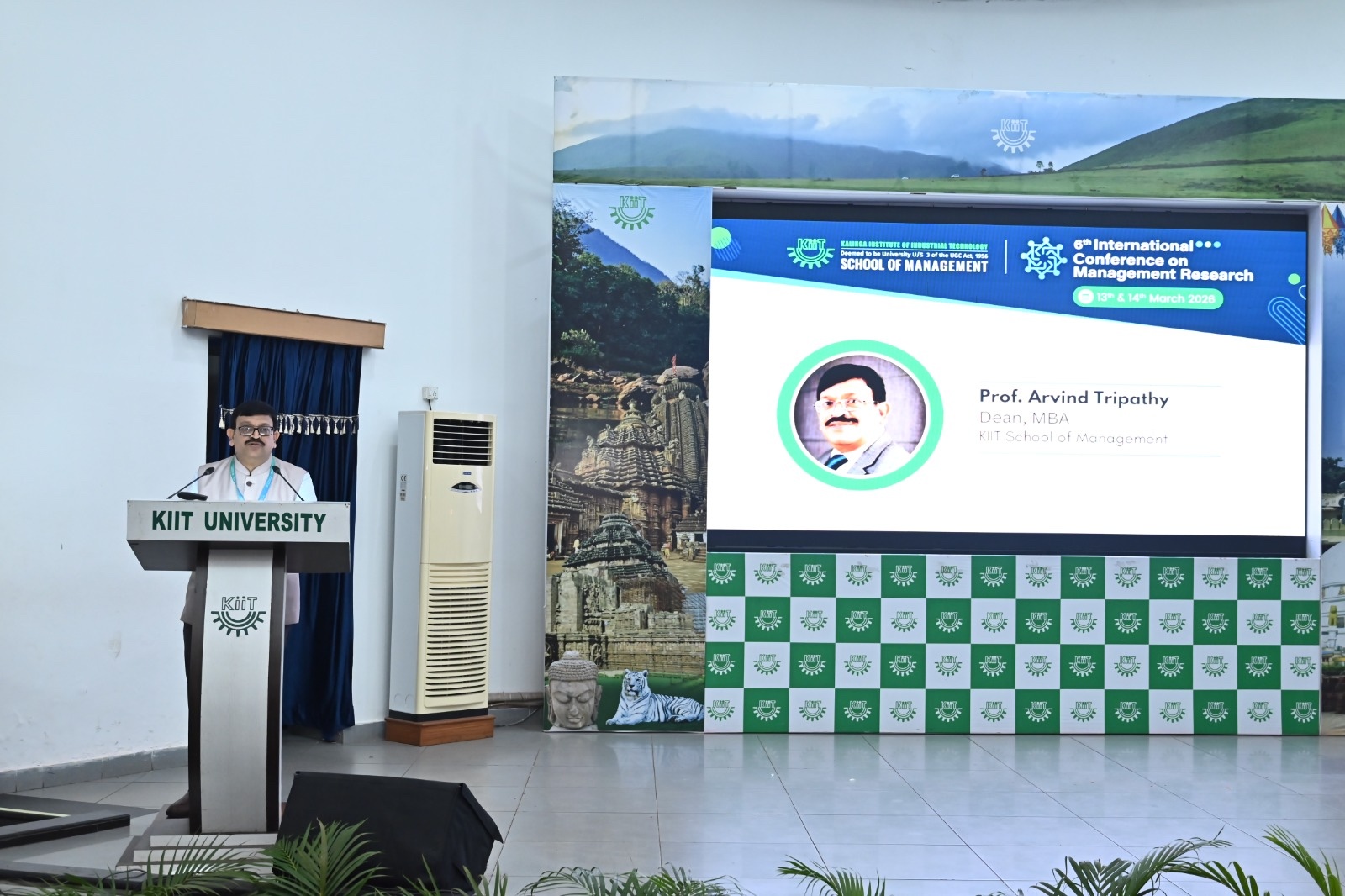
The Vote of Thanks was given by Prof. Arvind Tripathy, Dean – KIIT School of Management.
Technical Paper Presentation Sessions
Following the inaugural session and panel discussion, the conference moved into the technical paper presentation sessions.
Scholars from various institutions presented their research across six parallel tracks. The conference will continue with additional research paper presentations tomorrow morning.
This will be followed by the valedictory session. During the session, outstanding contributions will be recognized, and best paper awards will be announced.
ICMR 2026: A Platform for Knowledge Exchange
ICMR 2026 thus provides an important platform for scholarly dialogue, knowledge exchange, and reflection on the evolving relevance of management thought in a rapidly transforming global landscape.